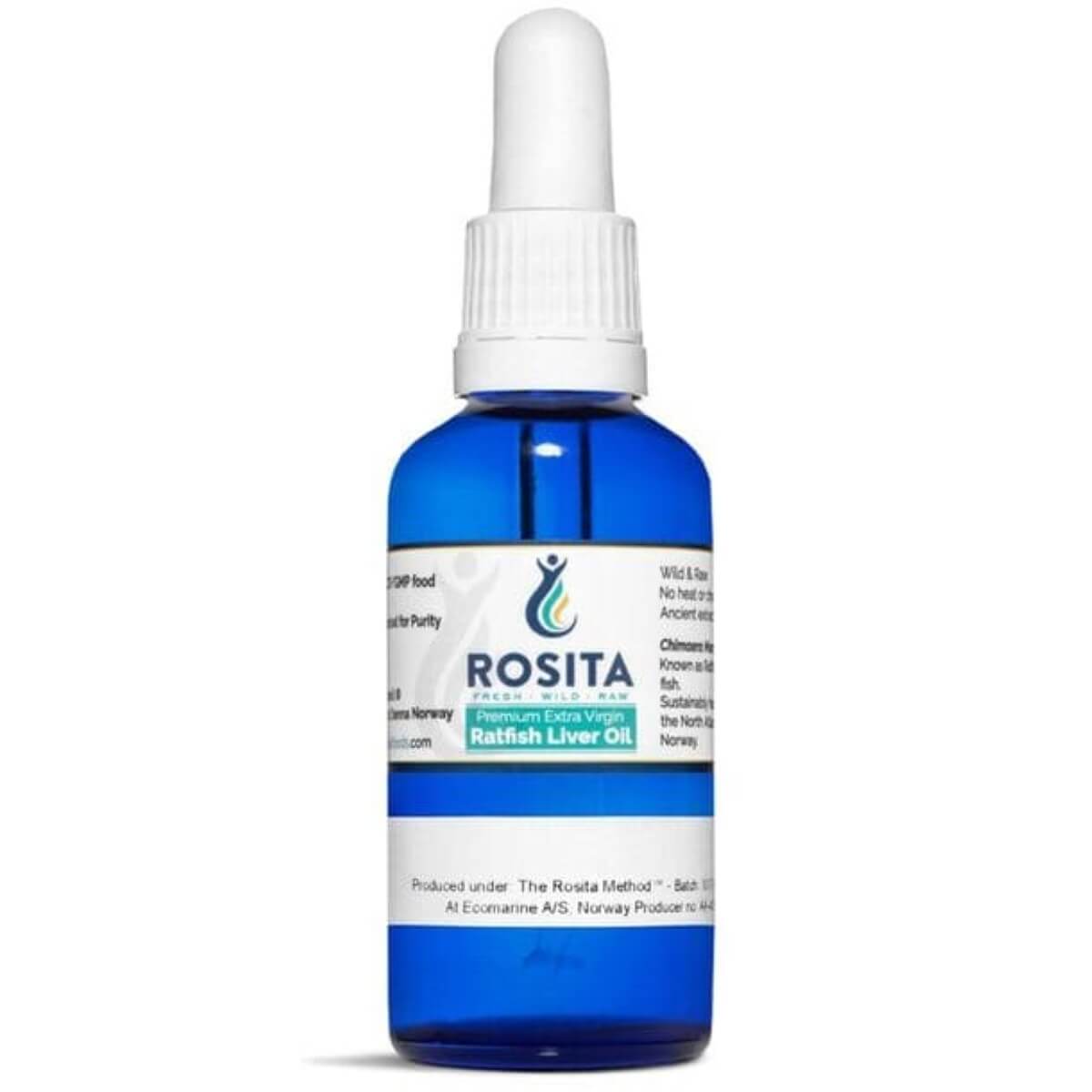
Home / Global Categories / Quick Order / Seaweed / Rosita 5 Seaweed Blend Rosita 5 Seaweed Blend (0 customer reviews) 60 Capsules - A wild Scottish seaweed blend rich in iodine, minerals & antioxidants Daily nourishment for thyroid, energy & whole-body vitality (£0.80 per serving) Buy 2 and save 5% Buy 3 and save 10% £23.95 Min Max Price Save 23£22.75£1.2030£21.56£2.40 Rosita 5 Seaweed Blend quantity Buy Now£23.95 Add to Wishlist Add to Wishlist £23.95 102 in stock - Ships within 1–2 business days 30 Day Returns Free Shipping Over £50 3rd Party Tested Pure:Contains 100% naturally occurring nutrients: rich in vitamins, antioxidants, polyphenols, carotenoids, omega-3 fatty acids, enzymes, amino acids, prebiotic fibre, proteins, and essential minerals including calcium, magnesium, iron, zinc, selenium, potassium, and iodine. Sustainable:The seaweeds are handpicked during their peak growing periods, when the plants are in optimal condition and rich in nutrients. Unprocessed & raw:Rosita uses a low-temperature drying method that is gentle and helps preserve the delicate micronutrient content. Convenient:Rosita Wild Seaweed blend offers a better spread of micronutrients than a single type of seaweed, providing a more comprehensive nutritional profile. Description Ingredients Benefits Dosage Storage Rosita Wild Seaweed is harvested at a remote site, Pentland Firth, north of Scotland, which has some of the highest water exchanges in the world, ensuring that the seaweeds are cleaner and healthier than any other seaweed products. Rosita uses a low-temperature drying method that is gentle and helps preserve the delicate micronutrient content, and smaller milling sizes help to improve bioavailability. The seaweeds are handpicked during their peak growing periods, when the plants are in optimal condition and rich in nutrients. Unlike the common machine harvesting method, individual plants are cut so that enough remains for regrowth and reproduction. Harvesters work in small teams and access the foreshore on foot. The most stringent regulations are followed to ensure the local ecosystem can continue to thrive. VIEW MORE Rosita Wild Seaweeds are a true superfood, supporting normal energy-yielding metabolism, [1] the maintenance of healthy skin, [2] psychological and cognitive function [3][4] the production of thyroid hormones and thyroid function, [5] and the nervous system. [6] They are rich in vitamins, antioxidants, [7] polyphenols, carotenoids, omega-3 fatty acids, enzymes, amino acids, prebiotic fiber, proteins, and essential minerals including calcium, magnesium, iron, zinc, selenium, potassium, and iodine. [2][8] Rosita Wild Seaweed blend offers a better spread of micronutrients than a single type of seaweed, providing a more comprehensive nutritional profile. No artificial fillers, colours, flavours, preservatives, Lactose, gluten, wheat, dairy and GMO free. Irradiation free. Vegan & Vegetarian. References: Anti-Obesity Effects of Macroalgae" [2] An Overview to the Health Benefits of Seaweeds Consumption . [3] Consumption of seaweeds and the human brain . [4] Dietary seaweed intake and depressive symptoms in Japanese adults: a prospective cohort study . [5] Iodine, Seaweed, and the Thyroid . [6] The Seaweed Diet in Prevention and Treatment of the Neurodegenerative Diseases . [7] Seaweed as a Source of Natural Antioxidants: Therapeutic Activity and Food Applications . [8] Risks and benefits of consuming edible seaweeds. VIEW LESS Ingredients 5 Seaweed Blend Dried and Finely Ground: Sea spaghetti (Himanthalia elongata), Atlantic wakame (Alaria esculenta), dulse (Palmaria palmata), Bladder wrack (Fucus vesiculosus), and Spiral wrack (Fucus spiralis). Other ingredients: Vegetable Capsule (water, hypromellose). Supporting normal energy-yielding metabolism [1] Maintenance of healthy skin [2] Maintenance of healthy psychological and cognitive function [3][4] Supporting healthy production of thyroid hormones and thyroid function [5] Supporting the nervous system [6] 2 capsules daily. Can be opened and mixed into food. Do not exceed the recommended amount. Consult a healthcare professional if pregnant, breastfeeding, taking, medication or having a medical condition. Food Supplements should not be used as a diet or lifestyle replacement. Excessive iodine can be harmful. Keep dry, out of sunlight and reach of children. Store in a cool, dry place. Description Rosita Wild Seaweed is harvested at a remote site, Pentland Firth, north of Scotland, which has some of the highest water exchanges in the world, ensuring that the seaweeds are cleaner and healthier than any other seaweed products. Rosita uses a low-temperature drying method that is gentle and helps preserve the delicate micronutrient content, and smaller milling sizes help to improve bioavailability. The seaweeds are handpicked during their peak growing periods, when the plants are in optimal condition and rich in nutrients. Unlike the common machine harvesting method, individual plants are cut so that enough remains for regrowth and reproduction. Harvesters work in small teams and access the foreshore on foot. The most stringent regulations are followed to ensure the local ecosystem can continue to thrive. VIEW MORE Rosita Wild Seaweeds are a true superfood, supporting normal energy-yielding metabolism, [1] the maintenance of healthy skin, [2] psychological and cognitive function [3][4] the production of thyroid hormones and thyroid function, [5] and the nervous system. [6] They are rich in vitamins, antioxidants, [7] polyphenols, carotenoids, omega-3 fatty acids, enzymes, amino acids, prebiotic fiber, proteins, and essential minerals including calcium, magnesium, iron, zinc, selenium, potassium, and iodine. [2][8] Rosita Wild Seaweed blend offers a better spread of micronutrients than a single type of seaweed, providing a more comprehensive nutritional profile. No artificial fillers, colours, flavours, preservatives, Lactose, gluten, wheat, dairy and GMO free. Irradiation free. Vegan & Vegetarian. References: Anti-Obesity Effects of Macroalgae" [2] An Overview to the Health Benefits of Seaweeds Consumption . [3] Consumption of seaweeds and the human brain . [4] Dietary seaweed intake and depressive symptoms in Japanese adults: a prospective cohort study . [5] Iodine, Seaweed, and the Thyroid . [6] The Seaweed Diet in Prevention and Treatment of the Neurodegenerative Diseases . [7] Seaweed as a Source of Natural Antioxidants: Therapeutic Activity and Food Applications . [8] Risks and benefits of consuming edible seaweeds. VIEW LESS Ingredients Ingredients 5 Seaweed Blend Dried and Finely Ground: Sea spaghetti (Himanthalia elongata), Atlantic wakame (Alaria esculenta), dulse (Palmaria palmata), Bladder wrack (Fucus vesiculosus), and Spiral wrack (Fucus spiralis). Other ingredients: Vegetable Capsule (water, hypromellose). Benefits Supporting normal energy-yielding metabolism [1] Maintenance of healthy skin [2] Maintenance of healthy psychological and cognitive function [3][4] Supporting healthy production of thyroid hormones and thyroid function [5] Supporting the nervous system [6] Dosage 2 capsules daily. Can be opened and mixed into food. Do not exceed the recommended amount. Consult a healthcare professional if pregnant, breastfeeding, taking, medication or having a medical condition. Food Supplements should not be used as a diet or lifestyle replacement. Excessive iodine can be harmful. Keep dry, out of sunlight and reach of children. Storage Store in a cool, dry place. Key Nutritional Facts* 40 mg Calcium 60 Capsules 2 Capsules Per Serving 150 mcg Great source of Iodine 1. Testing for contaminants All productions are tested for contaminants before being bottled and released for sale.Please find the test results for the latest productions of Rosita Premium EVCLO Softgels in the table below: WHOPCDD/F-TEQ WHO-PCDD/FPCB-TEQ PCB28-52-101-138-153-180 EU REGULATION 1.75 pg/g 6.00 pg/g 200 ng/g NORWEGIAN REGULATION 1.75 pg/g 4.00 pg/g 200 ng/g Test results Rosita Extra-Virgin Cod Liver Oil (EVCLO) - Softgels: Production date: February 2020(Testing by EUROFINS Report #440-2020-0218-010)- BBE: FEB 2023 BN: 061782 0.343 pg/g 0,874 pg/g 157 ng/g Production date: October 2019(Testing by EUROFINS Report #440-2019-1008-064)- BBE: DEC 2022 BN: 058347 0.327 pg/g 0.59 pg/g 48.1 ng/g Production date: June 2019(Testing by EUROFINS Report #440-2019-0308-076)- BBE: JULY 2022 0.337 pg/g 0.92 pg/g 106 ng/g Production date: August 2018(Testing by EUROFINS Report #440-2018-0417-050 and BDS - Report #13453-1)- BBE: AUG 2021 0.30 pg/g 0.60 pg/g 115.0 ng/g Production date: February 2018(Testing by EUROFINS Report #440-2018-0125-074)- BBE: FEB 2021 0.342 pg/g 0.98 pg/g 90.8 ng/g Production date: October 2017(Testing by EUROFINS Report #440-2017-0424-021 and BDS - Report #11859-1)- BBE: MAY 2020 0.300 pg/g 1.30 pg/g 83.7 ng/g Production date: December 2016(Testing by EUROFINS Report #440-2016-0930-056 and BDS - Report #10869-1)- BBE: OCT 2019 0.300 pg/g 2.50 pg/g 126.0 ng/g Production date: August 2016(Testing by EUROFINS Report #440-2016-0510-063 and BDS - Report #9387-1)- BBE: AUG 2018 0.700 pg/g 2.00 pg/g 97.9 ng/g 2. Nutrient Results The concentration of fat-soluble nutrients depends on several biological factors, including the size of the fish and the amount of oil contained in the liver. There are also seasonal variations related to the spawning cycle of the fish, climatic conditions, plankton, and other conditions affecting the codfish. Because Rosita EVCLO is a completely unrefined & unprocessed wholefood, the concentration of nutrients will ALWAYS vary from batch to batch. The Nutrient Results (fat-soluble vitamins, sterols & fatty acids) shown below represent typical values and ranges which have been obtained from analytical testing at the following institutes: NIFES (National Institute of Nutrition and Seafood Research )[20/12/2010] ALS Food & Pharmaceutical (United Kingdom) [10/10/2012] Eurofins Food Testing [19/02/2013] Nutrition Analytical Service (NAS), Institute of Aquaculture, University of Stirling, Scotland, United Kingdom [15/11/2013]. The head of NAS, Professor Gordon Bell, has over 30 years of experience in fish nutrition and lipid and nutrition related analysis and has published more than 184 peer-reviewed papers on fish nutrition, fatty acids, lipid soluble nutrients and antioxidants. The Chief Analyst, James Dick, provides over 25 years of experience in lipid methodology and is responsible for Quality Control within the Nutrition Group, the development of chromatographic techniques and is trained in all aspects of complex lipid analysis including HPLC, GC, GC/MS and GC/MS/MS. Extra virgin oil was also tested [as far back as: 15.07.2011] by the producer at ECO-Marine using a Norwegian Aquaculture Research Institute which specialises in marine raw materials and products. VITAMIN E (ALPHA-TOCOPHEROL) ANALYSIS SAMPLE ID mg/teaspoon Wild & Raw EVCLO 3.7-10 Above values calculated from analyses performed at a number of European testing institutes (named above), and each testing institute analyses has been performed in duplicate. VITAMIN A (RETINOL) ANALYSIS SAMPLE ID iu/teaspoon Wild & Raw EVCLO 3000-5000 Above values calculated from analyses performed at a number of European testing institutes (named above), and each testing institute analyses has been performed in duplicate. VITAMIN A2 (3,4-DEHYDRORETINOL) ANALYSIS SAMPLE ID mg/kg Wild & Raw EVCLO > = 0.1</p> </td> </tr> </tbody> </table> </div> <div> </div> <div>> = Greater Than or Equal To.</div> <div> </div> <div>Above values calculated from analyses performed at a number of European testing institutes</div> <div>(named above), and each testing institute analyses has been performed in duplicate.</div> <p><strong><strong><strong>VITAMIN D<sub>3</sub> (CHOLECALCIFEROL) ANALYSIS<sup>#</sup></strong></strong></strong></p> <div class="tbl_scroll"> <table border="1"> <tbody> <tr> <td> <p><strong>SAMPLE ID</strong></p> </td> <td> <p><strong>iu/teaspoon</strong></p> </td> </tr> <tr> <td> <p>Wild & Raw EVCLO</p> </td> <td> <p>400-500</p> </td> </tr> </tbody> </table> </div> <div> </div> <div>Above values calculated from analyses performed at a number of European testing institutes</div> <div>(named above), and each testing institute analyses has been performed in duplicate.</div> <div> </div> <div><strong><sup>#</sup></strong><em>The vitamin D in Wild & Raw EVCLO is the same form of vitamin D that your body produces when</em></div> <div><em>exposed to sunlight </em><em>and the only form found in significant quantities in unrefined fish liver oils. </em></div> <p><strong><strong><strong>RATIO VITAMINS A:D</strong></strong></strong></p> <div class="tbl_scroll"> <table border="1"> <tbody> <tr> <td> <p><strong>SAMPLE ID</strong></p> </td> <td> <p><strong>ratio</strong></p> </td> </tr> <tr> <td> <p>Wild & Raw EVCLO</p> </td> <td> <p>Typically less than 10:1</p> </td> </tr> </tbody> </table> </div> <p><strong>STEROL CONTENT</strong></p> <div class="tbl_scroll"> <table border="1"> <tbody> <tr> <td> <p><strong>SAMPLE ID</strong></p> </td> <td> <p><strong>mg/Kg</strong></p> </td> </tr> <tr> <td> <p>Wild & Raw EVCLO</p> </td> <td> </td> </tr> <tr> <td> <p>CHOLESTEROL</p> </td> <td> <p>4044-5245</p> </td> </tr> <tr> <td> <p>BRASSICASTEROL (PHYTOSTEROL)</p> </td> <td> <p>40.4</p> </td> </tr> <tr> <td colspan="2"> <p>Rest to follow</p> </td> </tr> </tbody> </table> </div> <div> </div> <div>Above values calculated from analyses performed at a number of European testing institutes</div> <div>(named above), and each testing institute analyses has been performed in duplicate.</div> <p><strong>Select Fatty Acid Composition of Total Lipid from Wild & Raw EVCLO</strong></p> <div><em>Wild & Raw EVCLO contains a </em><em>wide spectrum of fatty acids including omega 3, 4, 6, 7, 9, 11 etc.</em></div> <div><em>The test data for selective fatty acids are given below. Levels of other fatty acids not shown are available on request.</em></div> <div> </div> <div class="tbl_scroll"> <table border="1" cellspacing="0" cellpadding="0"> <tbody> <tr> <td valign="bottom" nowrap="nowrap"> <p><strong>Fatty acid</strong></p> </td> <td> <p align="center"><strong>mg/teaspoon</strong></p> </td> </tr> <tr> <td valign="bottom" nowrap="nowrap"> <p>20:5n-3 (EPA)</p> </td> <td valign="bottom" nowrap="nowrap"> <p align="center">510</p> </td> </tr> <tr> <td valign="bottom" nowrap="nowrap"> <p>22:6n-3 (DHA)</p> </td> <td valign="bottom" nowrap="nowrap"> <p align="center">700</p> </td> </tr> <tr> <td valign="bottom" nowrap="nowrap"> <p>18:1n-9 (Oleic acid)</p> </td> <td valign="bottom" nowrap="nowrap"> <p align="center">1,200</p> </td> </tr> <tr> <td valign="bottom" nowrap="nowrap"> <p>20:1n-9 (Gadoleic acid)<strong>*</strong></p> </td> <td valign="bottom" nowrap="nowrap"> <p align="center">660</p> </td> </tr> <tr> <td valign="bottom" nowrap="nowrap"> <p>22:1n-11 (Cetoleic acid)<strong>*</strong></p> <p>Fatty acids, Sum of Omega 6 Calc.</p> <p>Fatty acids, Sum of Omega 3 Calc.</p> <p>Unidentified fatty acids</p> </td> <td valign="bottom" nowrap="nowrap"> <p align="center">375</p> <p align="center">160</p> <p align="center">1,460</p> <p align="center">240</p> </td> </tr> <tr> <td valign="bottom" nowrap="nowrap"> </td> <td valign="bottom" nowrap="nowrap"> <p align="center"><strong>ratio</strong></p> </td> </tr> <tr> <td valign="bottom" nowrap="nowrap"> <p>DHA/EPA<strong><sup>∆</sup></strong></p> </td> <td valign="bottom" nowrap="nowrap"> <p align="center">1:1 – 1.3:1</p> </td> </tr> <tr> <td valign="bottom" nowrap="nowrap"> <p>Omega 6/Omega 3 Ratio</p> </td> <td valign="bottom" nowrap="nowrap"> <p align="center">0.11</p> </td> </tr> </tbody> </table> </div> <div> </div> <div><strong>*</strong><em>Gadoleic acid [which was first noted in cod liver oil] and Cetoleic acid are present in higher amounts in codfish from Northern hemisphere </em><em>and high latitude waters. These fatty acids are therefore found in higher quantities in genuine cod liver oil originating from the Northern hemisphere.</em></div> <div> </div> <div><em><strong>*</strong>Cetoleic acid is also usually present in lower proportions than Gadoleic acid.</em> <p><strong><sup>∆</sup></strong><em>This ratio is a good indicator of genuine Northern hemisphere cod liver oil</em><em>.</em></p> </div> </div> </div> </div> <div class="panel panel-default"> <div class="panel-heading"> <h4 class="panel-title"><a class="collapsed" href="#heading03" data-toggle="collapse" data-parent="#testing-accordion"> <span class="title">3. Purity</span> </a></h4> </div> <div id="heading03" class="panel-collapse collapse"> <div class="panel-body"> <p>Cod Liver Oil has been tested for purity by leading European institutes and meets all the stringent European requirements.</p> <p><strong>HEAVY METAL CONTENT</strong></p> <p>[ALS Food & Pharmaceutical (UK): 10/10/2012]</p> <div class="tbl_scroll"> <table border="1"> <tbody> <tr> <td align="center"> <p><strong>SAMPLE ID </strong></p> </td> <td align="center"> <p><strong>Wild & Raw EVCLO</strong></p> </td> </tr> <tr> <td align="center"> <p>MERCURY</p> </td> <td align="center"> <p>n.d</p> </td> </tr> <tr> <td align="center"> <p>CADMIUM</p> </td> <td align="center"> <p>n.d</p> </td> </tr> <tr> <td align="center"> <p>LEAD</p> </td> <td align="center"> <p>n.d</p> </td> </tr> <tr> <td align="center"> <p>ARSENIC</p> </td> <td align="center"> <p>1.4 ppm*</p> </td> </tr> </tbody> </table> </div> <p>ppm - parts per million</p> <p>n.d - not detected</p> <p>*organic (non-toxic) form</p> <p><strong>HEAVY METAL </strong><strong>ANALYSIS</strong></p> <p>[BioDetection Systems b.v. (BDS): 19/03/2013]</p> <div class="tbl_scroll"> <table border="1"> <tbody> <tr> <td align="center"> <p><strong>SAMPLE ID </strong></p> </td> <td align="center"> <p><strong>Wild & Raw EVCLO</strong></p> </td> </tr> <tr> <td align="center"> <p>MERCURY</p> </td> <td align="center"> <p>n.d</p> </td> </tr> <tr> <td align="center"> <p>CADMIUM</p> </td> <td align="center"> <p>n.d</p> </td> </tr> <tr> <td align="center"> <p>LEAD</p> </td> <td align="center"> <p>n.d</p> </td> </tr> <tr> <td align="center"> <p>ARSENIC</p> </td> <td align="center"> <p>1.8 ppm*</p> </td> </tr> </tbody> </table> </div> <p>ppm - parts per million</p> <p>n.d - not detected (the concentration of the analyte is below the limit of quantification).</p> <p>*organic (non-toxic) form</p> <p><strong>ORGANIC CONTAMINANTS </strong>[<strong>Dioxins and PCBs, Benzo(a)pyrene</strong><strong>]</strong></p> <p><strong>Certificate of Analysis from:</strong></p> <ul> <li>ALS Food & Pharmaceutical (UK) [10/10/2012]</li> <li>BioDetection Systems b.v. (BDS) [19/03/2013]</li> </ul> <p>Cod liver oil has been analysed in triplicate and each time gives a total WHO-PCDD/F-PCB-TEQ lower than the strict European limits and well within them. The values for the oil are in line with QC parameters.</p> <p><strong>A. </strong><strong>POLYAROMATIC HYDROCARBONS</strong></p> <div class="tbl_scroll"> <table border="1"> <tbody> <tr> <td> <p><strong>SAMPLE ID</strong></p> </td> <td> <div><strong>BENZO(A)PYRENE</strong></div> <div><strong>(mg/kg)</strong></div> </td> </tr> <tr> <td> <p>Wild & Raw EVCLO</p> </td> <td> <p><0.001<strong><sup>#</sup></strong></p> </td> </tr> </tbody> </table> </div> <p><strong><sup>#</sup></strong>the concentration of the analyte is below the limit of quantification</p> <p>Above value calculated from analyses performed in duplicate.</p> <p><strong>B. </strong><strong>DIOXINS and PCBs</strong></p> <ul> <li><strong>Sum of dioxins (WHO-PCDD/F-TEQ): </strong>0.20 ng/kg<strong><strong><sup>#</sup></strong></strong></li> <li><strong>Sum of dioxins and dioxin-like PCBS (WHO-PCDD/F-PCB-TEQ): </strong>0.899 ng/kg<strong><strong><sup>#</sup></strong></strong></li> </ul> <p><strong><sup>#</sup></strong>Maximum levels set by the European Commission for thesum of dioxins (WHO-PCDD/F-TEQ) for marine oils (fish body oil, fish liver oil and oils of other marine organisms intended for human consumption): 1.75 ng/kg fat</p> <p><strong><sup>#</sup></strong>Maximum levels set by the European Commission for thesum of dioxins and dioxin like PCBs (WHO-PCDD/F-PCB-TEQ) for marine oils (fish body oil, fish liver oil and oils of other marine organisms intended for human consumption): 6.0 ng/kg fat</p> <p><strong><sup>#</sup></strong>Dioxins (sum of polychlorinated dibenzo-para-dioxins (PCDDs) and polychlorinated dibenzofurans (PCDFs), expressed as World Health Organisation (WHO) toxic equivalent using the WHO-toxic equivalency factors (WHO-TEFs)) and sum of dioxins and dioxin-like PCBs (sum of PCDDs, PCDFs and polychlorinated biphenyls (PCBs), expressed as WHO toxic equivalent using the WHO-TEFs). WHO-TEFs for human risk assessment based on the conclusions of the World Health Organization (WHO) – International Programme on Chemical Safety (IPCS) expert meeting which was held in Geneva in June 2005 (Martin van den Berg et al., The 2005 World Health Organization Re-evaluation of Human and Mammalian Toxic Equivalency Factors for Dioxins and Dioxin-like Compounds. Toxicological Sciences 93(2), 223–241 (2006))</p> <p><strong>C.</strong><strong> BDS DR CALUX technique: another screening method for dioxins and dioxin-like PCBs</strong></p> <div class="tbl_scroll"> <table border="1"> <tbody> <tr> <td align="center"> <p><strong>SAMPLE ID</strong></p> </td> <td align="center"> <p><strong>Method</strong></p> </td> <td align="center"> <p><strong>Parameter</strong></p> </td> <td align="center"> <p><strong>Result</strong></p> </td> <td align="center"> <p><strong>Unit</strong></p> </td> </tr> <tr> <td align="center"> <p>Wild & Raw EVCLO</p> </td> <td align="center"> <p>DR CALUX</p> </td> <td align="center"> <p>PCDD/PCDF and dl-PCBs (total BEQ; semi)</p> </td> <td align="center"> <p>compliant (1.7)</p> </td> <td align="center"> <p>ng BEQ/kg product</p> </td> </tr> </tbody> </table> </div> <p>The DR CALUX analysis is done according to p-bds-051.</p> <p>All DR CALUX analysis results comply with EU requirements as indicated in COMMISSION REGULATION (EC) No 278/2012 (amending Regulation (EC) No 152/2009 as regards the determination of the levels of dioxins and polychlorinated biphenyls; feedstuffs).</p> </div> </div> </div> <div class="panel panel-default"> <div class="panel-heading"> <h4 class="panel-title"><a class="collapsed" href="#heading04" data-toggle="collapse" data-parent="#testing-accordion"> <span class="title">4. Oxidation byproducts</span> </a></h4> </div> <div id="heading04" class="panel-collapse collapse"> <div class="panel-body"> <p><strong>TOTOX ANALYSIS</strong></p> <p>Extra virgin oil was also tested by the producer at ECO-Marine using a Norwegian Aquaculture Research Institute which specialises in marine raw materials and products. Extra virgin oil was also tested as far back as 15.07.2011</p> <div class="tbl_scroll"> <table border="1"> <tbody> <tr> <td> <p><strong>SAMPLE </strong><strong>ID</strong></p> </td> <td> <p><strong>PEROXIDE VALUE </strong><strong>*</strong></p> </td> <td> <p><strong>ANISIDINE VALUE </strong><strong>*</strong></p> </td> <td> <p align="center"><strong>TOTOX </strong><strong>*</strong></p> </td> </tr> <tr> <td> <p>Wild & Raw EVCLO</p> </td> <td> <p>4.8</p> </td> <td> <p>2.2</p> </td> <td> <p>11.8</p> </td> </tr> </tbody> </table> </div> <p>PV expressed as Meq/Kg</p> <p>AV expressed as anisidine value units</p> <p>TOTOX = 2PV AV</p> <p><strong>TOTOX ANALYSIS</strong></p> <div>Nutrition Analytical Service, Institute of Aquaculture,</div> <div>University of Stirling, Scotland, United Kingdom [15/11/2013]</div> <div> </div> <div class="tbl_scroll"> <table border="1"> <tbody> <tr> <td> <p><strong>SAMPLE </strong><strong>ID</strong></p> </td> <td> <p><strong>PEROXIDE VALUE </strong><strong>*</strong></p> </td> <td> <p><strong>ANISIDINE VALUE </strong><strong>*</strong></p> </td> <td> <p align="center"><strong>TOTOX </strong><strong>*</strong></p> </td> </tr> <tr> <td> <p>Wild & Raw EVCLO</p> </td> <td> <p>0.38</p> </td> <td> <p>0</p> </td> <td> <p>0.76</p> </td> </tr> </tbody> </table> </div> <p>PV expressed as Meq/Kg</p> <p>AV expressed as anisidine value units</p> <p>TOTOX = 2PV AV</p> <p><strong>TOTOX ANALYSIS</strong></p> <p>Extra virgin oil was also tested by the producer at ECO-Marine using a Norwegian Aquaculture Research Institute which specialises in marine raw materials and products. Extra virgin oil was also tested as far back as 15.07.2011</p> <div class="tbl_scroll"> <table border="1"> <tbody> <tr> <td> <p><strong>SAMPLE </strong><strong>ID</strong></p> </td> <td> <p><strong>PEROXIDE VALUE </strong><strong>*</strong></p> </td> <td> <p><strong>ANISIDINE VALUE </strong><strong>*</strong></p> </td> <td> <p align="center"><strong>TOTOX </strong><strong>*</strong></p> </td> </tr> <tr> <td> <p>Wild & Raw EVCLO</p> </td> <td> <p>2.9</p> </td> <td> <p>6.6</p> </td> <td> <p>12.4</p> </td> </tr> </tbody> </table> </div> <p>PV expressed as Meq/Kg</p> <p>AV expressed as anisidine value units</p> <p>TOTOX = 2PV AV</p> <div><strong>*</strong><strong>Peroxide value</strong>:</div> <div>NSF limit = < 10 Meq/Kg = 0.1 > = Greater Than or Equal To.</div> <div> </div> <div>Above values calculated from analyses performed at a number of European testing institutes</div> <div>(named above), and each testing institute analyses has been performed in duplicate.</div> <p><strong><strong><strong>VITAMIN D<sub>3</sub> (CHOLECALCIFEROL) ANALYSIS<sup>#</sup></strong></strong></strong></p> <div class="tbl_scroll"> <table border="1"> <tbody> <tr> <td> <p><strong>SAMPLE ID</strong></p> </td> <td> <p><strong>iu/teaspoon</strong></p> </td> </tr> <tr> <td> <p>Wild & Raw EVCLO</p> </td> <td> <p>400-500</p> </td> </tr> </tbody> </table> </div> <div> </div> <div>Above values calculated from analyses performed at a number of European testing institutes</div> <div>(named above), and each testing institute analyses has been performed in duplicate.</div> <div> </div> <div><strong><sup>#</sup></strong><em>The vitamin D in Wild & Raw EVCLO is the same form of vitamin D that your body produces when</em></div> <div><em>exposed to sunlight </em><em>and the only form found in significant quantities in unrefined fish liver oils. </em></div> <p><strong><strong><strong>RATIO VITAMINS A:D</strong></strong></strong></p> <div class="tbl_scroll"> <table border="1"> <tbody> <tr> <td> <p><strong>SAMPLE ID</strong></p> </td> <td> <p><strong>ratio</strong></p> </td> </tr> <tr> <td> <p>Wild & Raw EVCLO</p> </td> <td> <p>Typically less than 10:1</p> </td> </tr> </tbody> </table> </div> <p><strong>STEROL CONTENT</strong></p> <div class="tbl_scroll"> <table border="1"> <tbody> <tr> <td> <p><strong>SAMPLE ID</strong></p> </td> <td> <p><strong>mg/Kg</strong></p> </td> </tr> <tr> <td> <p>Wild & Raw EVCLO</p> </td> <td> </td> </tr> <tr> <td> <p>CHOLESTEROL</p> </td> <td> <p>4044-5245</p> </td> </tr> <tr> <td> <p>BRASSICASTEROL (PHYTOSTEROL)</p> </td> <td> <p>40.4</p> </td> </tr> <tr> <td colspan="2"> <p>Rest to follow</p> </td> </tr> </tbody> </table> </div> <div> </div> <div>Above values calculated from analyses performed at a number of European testing institutes</div> <div>(named above), and each testing institute analyses has been performed in duplicate.</div> <p><strong>Select Fatty Acid Composition of Total Lipid from Wild & Raw EVCLO</strong></p> <div><em>Wild & Raw EVCLO contains a </em><em>wide spectrum of fatty acids including omega 3, 4, 6, 7, 9, 11 etc.</em></div> <div><em>The test data for selective fatty acids are given below. Levels of other fatty acids not shown are available on request.</em></div> <div> </div> <div class="tbl_scroll"> <table border="1" cellspacing="0" cellpadding="0"> <tbody> <tr> <td valign="bottom" nowrap="nowrap"> <p><strong>Fatty acid</strong></p> </td> <td> <p align="center"><strong>mg/teaspoon</strong></p> </td> </tr> <tr> <td valign="bottom" nowrap="nowrap"> <p>20:5n-3 (EPA)</p> </td> <td valign="bottom" nowrap="nowrap"> <p align="center">510</p> </td> </tr> <tr> <td valign="bottom" nowrap="nowrap"> <p>22:6n-3 (DHA)</p> </td> <td valign="bottom" nowrap="nowrap"> <p align="center">700</p> </td> </tr> <tr> <td valign="bottom" nowrap="nowrap"> <p>18:1n-9 (Oleic acid)</p> </td> <td valign="bottom" nowrap="nowrap"> <p align="center">1,200</p> </td> </tr> <tr> <td valign="bottom" nowrap="nowrap"> <p>20:1n-9 (Gadoleic acid)<strong>*</strong></p> </td> <td valign="bottom" nowrap="nowrap"> <p align="center">660</p> </td> </tr> <tr> <td valign="bottom" nowrap="nowrap"> <p>22:1n-11 (Cetoleic acid)<strong>*</strong></p> <p>Fatty acids, Sum of Omega 6 Calc.</p> <p>Fatty acids, Sum of Omega 3 Calc.</p> <p>Unidentified fatty acids</p> </td> <td valign="bottom" nowrap="nowrap"> <p align="center">375</p> <p align="center">160</p> <p align="center">1,460</p> <p align="center">240</p> </td> </tr> <tr> <td valign="bottom" nowrap="nowrap"> </td> <td valign="bottom" nowrap="nowrap"> <p align="center"><strong>ratio</strong></p> </td> </tr> <tr> <td valign="bottom" nowrap="nowrap"> <p>DHA/EPA<strong><sup>∆</sup></strong></p> </td> <td valign="bottom" nowrap="nowrap"> <p align="center">1:1 – 1.3:1</p> </td> </tr> <tr> <td valign="bottom" nowrap="nowrap"> <p>Omega 6/Omega 3 Ratio</p> </td> <td valign="bottom" nowrap="nowrap"> <p align="center">0.11</p> </td> </tr> </tbody> </table> </div> <div> </div> <div><strong>*</strong><em>Gadoleic acid [which was first noted in cod liver oil] and Cetoleic acid are present in higher amounts in codfish from Northern hemisphere </em><em>and high latitude waters. These fatty acids are therefore found in higher quantities in genuine cod liver oil originating from the Northern hemisphere.</em></div> <div> </div> <div><em><strong>*</strong>Cetoleic acid is also usually present in lower proportions than Gadoleic acid.</em> <p><strong><sup>∆</sup></strong><em>This ratio is a good indicator of genuine Northern hemisphere cod liver oil</em><em>.</em></p> </div> </div> </div> </div> <div class="panel panel-default"> <div class="panel-heading"> <h4 class="panel-title"><a class="collapsed" href="#heading03" data-toggle="collapse" data-parent="#testing-accordion"> <span class="title">3. Purity</span> </a></h4> </div> <div id="heading03" class="panel-collapse collapse"> <div class="panel-body"> <p>Cod Liver Oil has been tested for purity by leading European institutes and meets all the stringent European requirements.</p> <p><strong>HEAVY METAL CONTENT</strong></p> <p>[ALS Food & Pharmaceutical (UK): 10/10/2012]</p> <div class="tbl_scroll"> <table border="1"> <tbody> <tr> <td align="center"> <p><strong>SAMPLE ID </strong></p> </td> <td align="center"> <p><strong>Wild & Raw EVCLO</strong></p> </td> </tr> <tr> <td align="center"> <p>MERCURY</p> </td> <td align="center"> <p>n.d</p> </td> </tr> <tr> <td align="center"> <p>CADMIUM</p> </td> <td align="center"> <p>n.d</p> </td> </tr> <tr> <td align="center"> <p>LEAD</p> </td> <td align="center"> <p>n.d</p> </td> </tr> <tr> <td align="center"> <p>ARSENIC</p> </td> <td align="center"> <p>1.4 ppm*</p> </td> </tr> </tbody> </table> </div> <p>ppm - parts per million</p> <p>n.d - not detected</p> <p>*organic (non-toxic) form</p> <p><strong>HEAVY METAL </strong><strong>ANALYSIS</strong></p> <p>[BioDetection Systems b.v. (BDS): 19/03/2013]</p> <div class="tbl_scroll"> <table border="1"> <tbody> <tr> <td align="center"> <p><strong>SAMPLE ID </strong></p> </td> <td align="center"> <p><strong>Wild & Raw EVCLO</strong></p> </td> </tr> <tr> <td align="center"> <p>MERCURY</p> </td> <td align="center"> <p>n.d</p> </td> </tr> <tr> <td align="center"> <p>CADMIUM</p> </td> <td align="center"> <p>n.d</p> </td> </tr> <tr> <td align="center"> <p>LEAD</p> </td> <td align="center"> <p>n.d</p> </td> </tr> <tr> <td align="center"> <p>ARSENIC</p> </td> <td align="center"> <p>1.8 ppm*</p> </td> </tr> </tbody> </table> </div> <p>ppm - parts per million</p> <p>n.d - not detected (the concentration of the analyte is below the limit of quantification).</p> <p>*organic (non-toxic) form</p> <p><strong>ORGANIC CONTAMINANTS </strong>[<strong>Dioxins and PCBs, Benzo(a)pyrene</strong><strong>]</strong></p> <p><strong>Certificate of Analysis from:</strong></p> <ul> <li>ALS Food & Pharmaceutical (UK) [10/10/2012]</li> <li>BioDetection Systems b.v. (BDS) [19/03/2013]</li> </ul> <p>Cod liver oil has been analysed in triplicate and each time gives a total WHO-PCDD/F-PCB-TEQ lower than the strict European limits and well within them. The values for the oil are in line with QC parameters.</p> <p><strong>A. </strong><strong>POLYAROMATIC HYDROCARBONS</strong></p> <div class="tbl_scroll"> <table border="1"> <tbody> <tr> <td> <p><strong>SAMPLE ID</strong></p> </td> <td> <div><strong>BENZO(A)PYRENE</strong></div> <div><strong>(mg/kg)</strong></div> </td> </tr> <tr> <td> <p>Wild & Raw EVCLO</p> </td> <td> <p><0.001 = Greater Than or Equal To. Above values calculated from analyses performed at a number of European testing institutes (named above), and each testing institute analyses has been performed in duplicate. VITAMIN D3 (CHOLECALCIFEROL) ANALYSIS# SAMPLE ID iu/teaspoon Wild & Raw EVCLO 400-500 Above values calculated from analyses performed at a number of European testing institutes (named above), and each testing institute analyses has been performed in duplicate. #The vitamin D in Wild & Raw EVCLO is the same form of vitamin D that your body produces when exposed to sunlight and the only form found in significant quantities in unrefined fish liver oils. RATIO VITAMINS A:D SAMPLE ID ratio Wild & Raw EVCLO Typically less than 10:1 STEROL CONTENT SAMPLE ID mg/Kg Wild & Raw EVCLO CHOLESTEROL 4044-5245 BRASSICASTEROL (PHYTOSTEROL) 40.4 Rest to follow Above values calculated from analyses performed at a number of European testing institutes (named above), and each testing institute analyses has been performed in duplicate. Select Fatty Acid Composition of Total Lipid from Wild & Raw EVCLO Wild & Raw EVCLO contains a wide spectrum of fatty acids including omega 3, 4, 6, 7, 9, 11 etc. The test data for selective fatty acids are given below. Levels of other fatty acids not shown are available on request. Fatty acid mg/teaspoon 20:5n-3 (EPA) 510 22:6n-3 (DHA) 700 18:1n-9 (Oleic acid) 1,200 20:1n-9 (Gadoleic acid)* 660 22:1n-11 (Cetoleic acid)* Fatty acids, Sum of Omega 6 Calc. Fatty acids, Sum of Omega 3 Calc. Unidentified fatty acids 375 160 1,460 240 ratio DHA/EPA∆ 1:1 – 1.3:1 Omega 6/Omega 3 Ratio 0.11 *Gadoleic acid [which was first noted in cod liver oil] and Cetoleic acid are present in higher amounts in codfish from Northern hemisphere and high latitude waters. These fatty acids are therefore found in higher quantities in genuine cod liver oil originating from the Northern hemisphere. *Cetoleic acid is also usually present in lower proportions than Gadoleic acid. ∆This ratio is a good indicator of genuine Northern hemisphere cod liver oil. 3. Purity Cod Liver Oil has been tested for purity by leading European institutes and meets all the stringent European requirements. HEAVY METAL CONTENT [ALS Food & Pharmaceutical (UK): 10/10/2012] SAMPLE ID Wild & Raw EVCLO MERCURY n.d CADMIUM n.d LEAD n.d ARSENIC 1.4 ppm* ppm - parts per million n.d - not detected *organic (non-toxic) form HEAVY METAL ANALYSIS [BioDetection Systems b.v. (BDS): 19/03/2013] SAMPLE ID Wild & Raw EVCLO MERCURY n.d CADMIUM n.d LEAD n.d ARSENIC 1.8 ppm* ppm - parts per million n.d - not detected (the concentration of the analyte is below the limit of quantification). *organic (non-toxic) form ORGANIC CONTAMINANTS [Dioxins and PCBs, Benzo(a)pyrene] Certificate of Analysis from: ALS Food & Pharmaceutical (UK) [10/10/2012] BioDetection Systems b.v. (BDS) [19/03/2013] Cod liver oil has been analysed in triplicate and each time gives a total WHO-PCDD/F-PCB-TEQ lower than the strict European limits and well within them. The values for the oil are in line with QC parameters. A. POLYAROMATIC HYDROCARBONS SAMPLE ID BENZO(A)PYRENE (mg/kg) Wild & Raw EVCLO # #the concentration of the analyte is below the limit of quantification Above value calculated from analyses performed in duplicate. B. DIOXINS and PCBs Sum of dioxins (WHO-PCDD/F-TEQ): 0.20 ng/kg# Sum of dioxins and dioxin-like PCBS (WHO-PCDD/F-PCB-TEQ): 0.899 ng/kg# #Maximum levels set by the European Commission for thesum of dioxins (WHO-PCDD/F-TEQ) for marine oils (fish body oil, fish liver oil and oils of other marine organisms intended for human consumption): 1.75 ng/kg fat #Maximum levels set by the European Commission for thesum of dioxins and dioxin like PCBs (WHO-PCDD/F-PCB-TEQ) for marine oils (fish body oil, fish liver oil and oils of other marine organisms intended for human consumption): 6.0 ng/kg fat #Dioxins (sum of polychlorinated dibenzo-para-dioxins (PCDDs) and polychlorinated dibenzofurans (PCDFs), expressed as World Health Organisation (WHO) toxic equivalent using the WHO-toxic equivalency factors (WHO-TEFs)) and sum of dioxins and dioxin-like PCBs (sum of PCDDs, PCDFs and polychlorinated biphenyls (PCBs), expressed as WHO toxic equivalent using the WHO-TEFs). WHO-TEFs for human risk assessment based on the conclusions of the World Health Organization (WHO) – International Programme on Chemical Safety (IPCS) expert meeting which was held in Geneva in June 2005 (Martin van den Berg et al., The 2005 World Health Organization Re-evaluation of Human and Mammalian Toxic Equivalency Factors for Dioxins and Dioxin-like Compounds. Toxicological Sciences 93(2), 223–241 (2006)) C. BDS DR CALUX technique: another screening method for dioxins and dioxin-like PCBs SAMPLE ID Method Parameter Result Unit Wild & Raw EVCLO DR CALUX PCDD/PCDF and dl-PCBs (total BEQ; semi) compliant (1.7) ng BEQ/kg product The DR CALUX analysis is done according to p-bds-051. All DR CALUX analysis results comply with EU requirements as indicated in COMMISSION REGULATION (EC) No 278/2012 (amending Regulation (EC) No 152/2009 as regards the determination of the levels of dioxins and polychlorinated biphenyls; feedstuffs). 4. Oxidation byproducts TOTOX ANALYSIS Extra virgin oil was also tested by the producer at ECO-Marine using a Norwegian Aquaculture Research Institute which specialises in marine raw materials and products. Extra virgin oil was also tested as far back as 15.07.2011 SAMPLE ID PEROXIDE VALUE * ANISIDINE VALUE * TOTOX * Wild & Raw EVCLO 4.8 2.2 11.8 PV expressed as Meq/Kg AV expressed as anisidine value units TOTOX = 2PV AV TOTOX ANALYSIS Nutrition Analytical Service, Institute of Aquaculture, University of Stirling, Scotland, United Kingdom [15/11/2013] SAMPLE ID PEROXIDE VALUE * ANISIDINE VALUE * TOTOX * Wild & Raw EVCLO 0.38 0 0.76 PV expressed as Meq/Kg AV expressed as anisidine value units TOTOX = 2PV AV TOTOX ANALYSIS Extra virgin oil was also tested by the producer at ECO-Marine using a Norwegian Aquaculture Research Institute which specialises in marine raw materials and products. Extra virgin oil was also tested as far back as 15.07.2011 SAMPLE ID PEROXIDE VALUE * ANISIDINE VALUE * TOTOX * Wild & Raw EVCLO 2.9 6.6 12.4 PV expressed as Meq/Kg AV expressed as anisidine value units TOTOX = 2PV AV *Peroxide value: NSF limit = CRN limit = 5 Meq/Kg GOED limit = 5 Meq/Kg Stringent European Pharmacopoeia Commision max = 5 Meq/Kg *Anisidine value: NSF limit = CRN limit = 20 GOED limit = 20 Stringent European Pharmacopoeia Commision max = 10 *TOTOX: NSF limit = CRN limit = 26 Meq/Kg GOED limit = 26 Meq/Kg Stringent European Pharmacopoeia Commision max = 20 Meq/Kg NSF: National Sanitation Foundation International CRN: Council for Responsible Nutrition GOED: Global Organization for EPA and DHA Omega-3s TBAR ANALYSIS Nutrition Analytical Service, Institute of Aquaculture, University of Stirling, Scotland, United Kingdom [15/11/2013] SAMPLE ID TBARS (mg/kg) Wild & Raw EVCLO 0.25 Above value calculated from analyses performed in duplicate. TBARs are expressed as mg/kg for feeds and oil and nmole/g tissue for flesh or other tissues. 5. Hydrolytic Rancidity Measures [Extra virgin oil was also tested by the producer at ECO-Marine using a Norwegian Aquaculture Research Institute which specialises in marine raw materials and products. Extra virgin oil was also tested as far back as 15.07.2011] % FREE FATTY ACID ANALYSIS SAMPLE ID A as Oleic Wild & Raw EVCLO 0.6 ACID VALUE SAMPLE ID mg KOH/g Wild & Raw EVCLO 1.2 6. Microbiological Testing MICROBIOLOGICAL CONTENT [ALS Food & Pharmaceutical (UK): 10/10/2012] SAMPLE ID cfu/ml Wild & Raw EVCLO Total Viable Count Coliforms (presumptive) 0 Escherichia coli (presumptive) Yeasts Moulds Salmonella sp. (ELISA) Not detected / 25g 7. Nutrition Facts Wild & Raw Extra-Virgin Cod Liver Oil: 150 mlSuggested Serving Size: 1 teaspoon (5 ml) dailyServings per Bottle: Approximately 30 Amount Per Serving: Calories 45 Calories from Fat 45 % Daily Value* Total Fat 4.5g 7.0% Saturated Fat 0.9g 4.5% Trans Fat 0g 0% Cholesterol 18mg 6% * Percent Daily Values are based on a caloric intake of 2,000 calories. Does not contain: Gluten, yeast, milk derivatives, synthetic nutrients, artificial colours or flavours. 8. Shelf-Life Study Results [Performed by a third party, independent Norwegian laboratory]. Shelf-life of unopened bottles at a temperature of 0-4 °C is 12 months. For storage at -20 °C the shelf-life is 2-3 times longer. Shelf-life after the bottles are opened at 0-4 °C is 2-3 months. Testing has shown that vitamins and other substances found in Rosita EVCLO are not affected by freezing and remain completely intact. In summary, the oil must be kept dark and cold. Customer Reviews 0 0 Based on 0 reviews (0) (0) (0) (0) (0) Write a review Ask a question Reviews 0 Questions 1 Be the first to review “Rosita 5 Seaweed Blend” Cancel replyYour email address will not be published. Required fields are marked *Your rating * Rate… Perfect Good Average Not that bad Very poor Your review *Name * Email * Save my name, email, and website in this browser for the next time I comment. Name Email Question Submit Question Cindy 03-Sep-2024 Is it ok to take the seaweed blend as well as cod liver oil Answers(1) Rosita Real Foods You can certainly take both supplements together, as they offer different nutrients. However, as always, it's best to consult with a healthcare professional to ensure they align with individual health needs. You may also like… Rosita Ratfish Liver Oil 50ml £106.95 Read more Add to Wishlist Add to Wishlist Rosita Extra Virgin Cod Liver Oil (EVCLO) Liquid £46.95 — or subscribe and save up to 5% Add to basket Add to Wishlist Add to Wishlist Rosita Extra Virgin Cod Liver Oil (EVCLO) Softgels £44.95 — or subscribe and save 5% Add to basket Add to Wishlist Add to Wishlist
You may also like…
-
 Sale
Sale
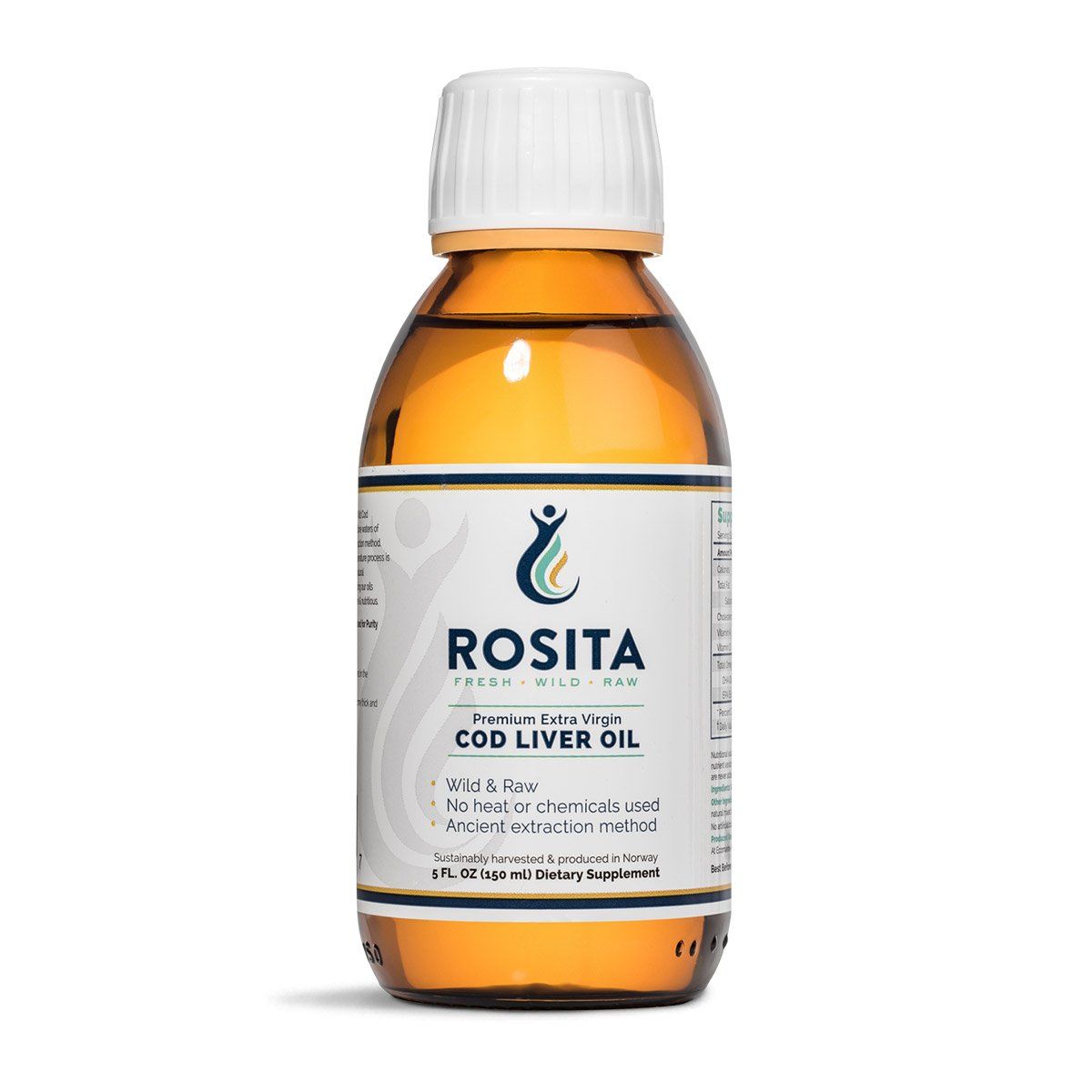
Cod Liver Oil Liquid
$ 56.47 This product has multiple variants. The options may be chosen on the product page -
 Hot
Hot -
 Sale
Sale
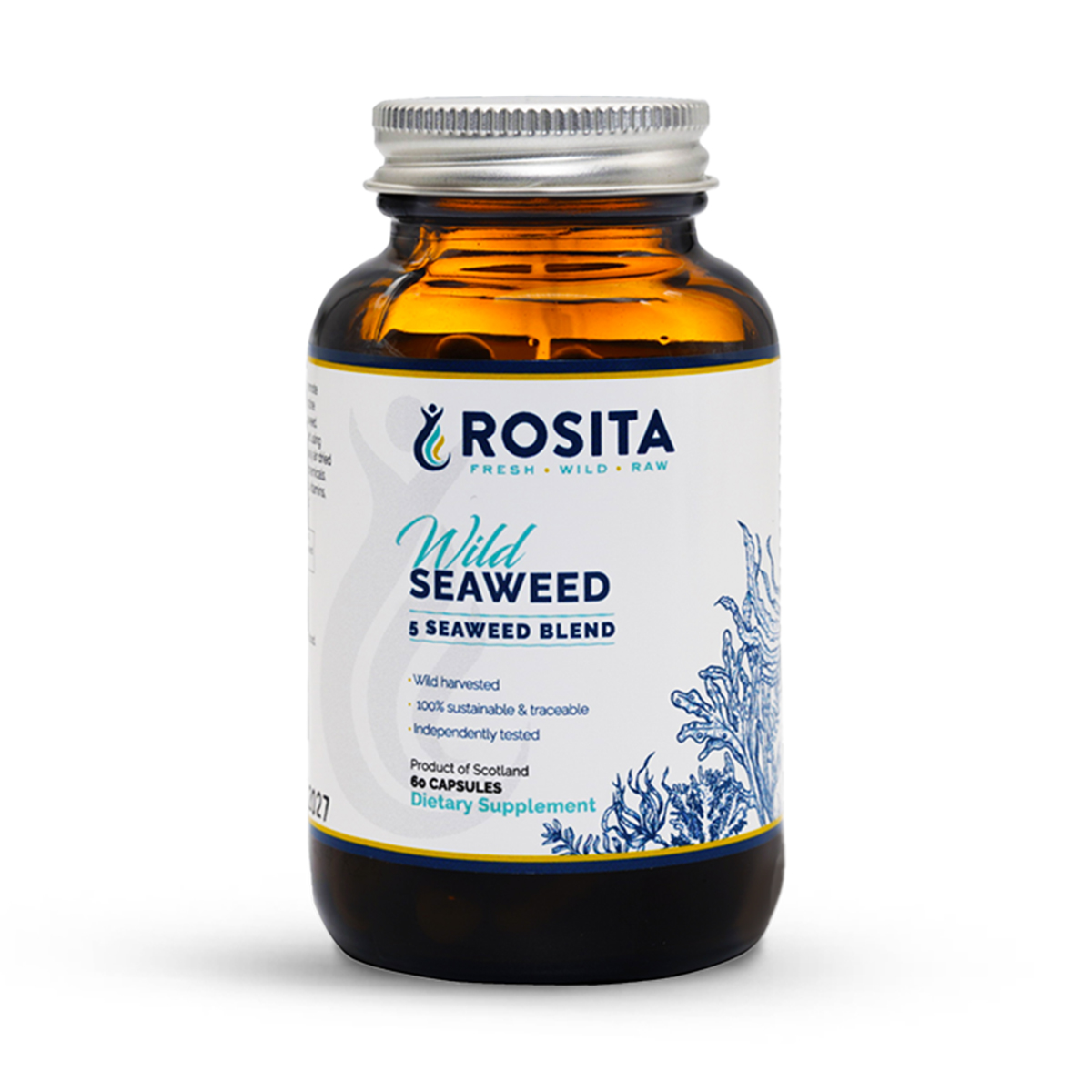
Cod Liver Oil Softgels
$ 54.06 This product has multiple variants. The options may be chosen on the product page -